Tiny Survivor: Ancient Mammal Offers Clues to Survival
Paleontologists working in the rugged terrain of Baja California, Mexico, have unearthed a remarkable fossil that sheds new light on the origins of modern life. The discovery, a small mammal named Cimolodon desosai, dates back roughly 75 million years—placing it in the twilight of the Cretaceous period, just before the catastrophic event that wiped out the dinosaurs.
This tiny creature, which lived alongside massive predators, provides a unique window into the traits that allowed early mammals to persevere when so many other species perished. Unlike the massive reptilian giants of its time, Cimolodon desosai possessed a modest body size and a highly adaptable diet. These characteristics, researchers suggest, were the secret weapons that allowed its lineage to endure one of the most significant extinction events in Earth’s history.
Anatomy of a Survivor
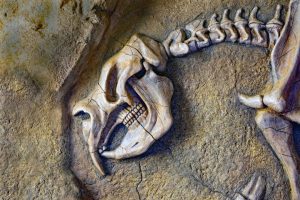
The fossil is particularly significant due to the completeness of its skeletal remains. While prehistoric mammal fossils are often fragmented or limited to mere teeth, the Baja California find offers a clearer picture of how this creature moved and interacted with its environment. Analysis of its bone structure indicates a nimble, terrestrial animal capable of navigating complex ecosystems, likely scurrying underfoot while dinosaurs ruled the canopy and plains above.
The study of such specimens is crucial for understanding the evolutionary bottlenecks that shaped the animal kingdom. By examining how Cimolodon desosai thrived in a high-pressure environment, scientists can better grasp the resilience of biological systems. The creature’s ability to utilize varied food sources suggests it was a generalist—a trait that remains a cornerstone of survival for many species in the natural world today.
This discovery underscores the complexity of life’s history on Earth. While the dinosaur extinction is often framed as a total reset of the planet’s biology, the story of Cimolodon desosai reminds us that the foundation for our modern mammalian world was being built long before the dust settled. As researchers continue to analyze the remains, they hope to unlock further details about the behavior and social structures of these ancient, resilient ancestors.