Coral Reefs Defy Heatwave in Rare Survival Win
Marine biologists are celebrating a surprising discovery in the remote Houtman Abrolhos Islands off the coast of Western Australia. Despite enduring an intense and prolonged marine heatwave throughout 2025, the coral reefs in this isolated archipelago emerged almost entirely unscathed. While heatwaves are typically devastating for delicate underwater ecosystems, these specific reefs demonstrated an unexpected level of resilience that has experts eager to understand their secret.
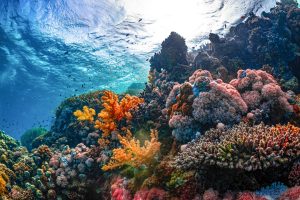
The Houtman Abrolhos islands are a unique environment where tropical and temperate waters collide. This meeting of currents creates a complex, shifting habitat that has long fascinated oceanographers. During the 2025 heat event, satellite data and in-person surveys led researchers to expect widespread bleaching—a process where stressed corals expel the vital algae living in their tissues, often leading to mass death. Instead, the team found vibrant, healthy structures teeming with life, suggesting that these corals may possess specific biological traits that allow them to thrive under thermal pressure.
Understanding the Mechanics of Resilience
Why did these specific corals survive while others succumbed to the rising temperatures? Scientists are currently analyzing water samples and genetic markers to determine if this resilience is due to the unique local currents, the specific species of coral present, or an adaptive evolution that has occurred over generations. If researchers can pinpoint the mechanism behind this survival, it could provide a much-needed blueprint for restoration efforts in more vulnerable regions around the globe.
This finding is a rare piece of positive news in the broader conversation about ocean health. As global temperatures fluctuate, the ability of ecosystems to adapt naturally is a subject of intense study. By observing how these reefs managed to maintain their structural integrity during a peak warming period, conservationists hope to identify “refugia”—areas that can act as natural strongholds for marine biodiversity in a changing climate.
The study of the Houtman Abrolhos reefs serves as a reminder of the complexity of the natural world. While the threats to marine life remain significant, the discovery of such resilient habitats offers a glimmer of hope that nature possesses a capacity for endurance that humans are only beginning to fully comprehend. Continued monitoring of these islands will be essential, not just for the sake of the archipelago, but for the potential lessons it offers in protecting the vast, interconnected systems of our oceans.