The Mystery of Reptile Armor Solved
Scientists have discovered that reptile armor evolved independently across multiple species over 320 million years. The findings reveal that some lizards even re-evolved armor after losing it.


Scientists have discovered that reptile armor evolved independently across multiple species over 320 million years. The findings reveal that some lizards even re-evolved armor after losing it.
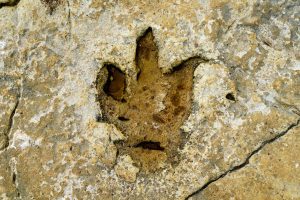
A newly discovered dinosaur species in Argentina is rewriting the history of Jurassic giants. The 20-meter-long fossil provides a missing link in the evolution of sauropods.

A homeowner’s garden wall has yielded a 240-million-year-old fossil of a giant, fang-toothed amphibian. Scientists are calling the discovery a rare and remarkable look into prehistoric life.

Scientists have discovered a 275-million-year-old fossil in Brazil featuring a bizarre twisted jaw. This ‘living fossil’ provides new insights into prehistoric survival and ancient biodiversity.
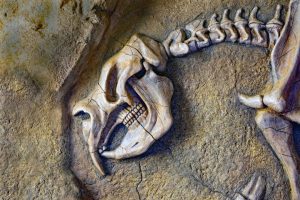
A recently discovered 75-million-year-old fossil reveals how small, adaptable mammals managed to survive the extinction event that claimed the dinosaurs. The findings provide a rare glimpse into the resilience of early life.

New fossil findings reveal that massive octopuses once dominated the oceans during the time of the dinosaurs. These apex predators were far larger and more aggressive than previously thought.

A 100-million-year-old fossil found in Argentina reveals that early snakes possessed hind legs and a complex skull structure. This discovery challenges previous theories that snakes evolved from small, burrowing creatures.
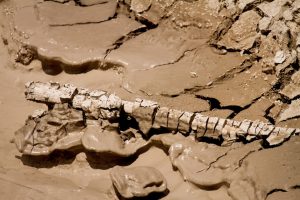
A 289-million-year-old fossil reveals how early reptiles developed rib-powered breathing. This discovery provides new insights into the biological mechanics that allowed life to move from water to land.

A rare 550-million-year-old fossil reveals why early sponges were missing from the record. This discovery shifts how scientists search for the origins of life.