Ancient Remains Reveal Neanderthal Growth Secrets
Archaeologists working in Israel’s Galilee region have uncovered new evidence regarding the lives of Neanderthals who inhabited the Levant over 50,000 years ago. A detailed analysis of “Amud 7,” the most complete Neanderthal infant skeleton ever discovered, suggests that these ancient humans followed a biological growth trajectory distinct from that of modern Homo sapiens.
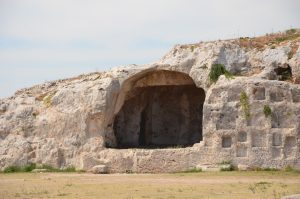
The study focuses on the remains found within the Amud Cave, a site long recognized for its significance in understanding human prehistory. By examining the teeth and bone development of the infant, researchers determined that the child lived between 51,000 and 56,000 years ago. The findings indicate that Neanderthal children likely reached developmental milestones at a faster pace than children do today, hinting at fundamental differences in how our ancestors adapted to the harsh environments of the Ice Age.
Understanding Neanderthal Development
For decades, scientists have debated the biological similarities and differences between Neanderthals and modern humans. The Amud 7 skeleton provides a unique window into this mystery. By looking at the microscopic growth lines in the infant’s teeth—similar to rings in a tree—researchers can track the pace of maturation. The data suggests that Neanderthal metabolism and skeletal growth were tuned to a more rapid tempo, perhaps an evolutionary strategy necessitated by the high-stress, high-risk conditions of their era.
This discovery adds another layer to the rich archaeological history of Israel. The Levant has long served as a crossroads for human migration, and the presence of such well-preserved remains underscores the region’s importance in the global story of human evolution. While modern humans eventually became the sole surviving hominid species, understanding the rapid development of the Neanderthals helps explain how they functioned and why they were so successful in Europe and Western Asia for hundreds of thousands of years before their eventual decline.
The preservation of the Amud 7 skeleton is itself a remarkable feat. Such delicate remains rarely survive the passage of millennia, yet the cave environment acted as a natural vault. As researchers continue to analyze these findings, the focus remains on how these biological differences impacted social structures, parental care, and the overall survival rates of Neanderthal communities. This study serves as a poignant reminder of the complexity of the human family tree and the fascinating, ancient history buried beneath the soil of the Holy Land.