
Pentagon Rushes to Bridge Drone Gap
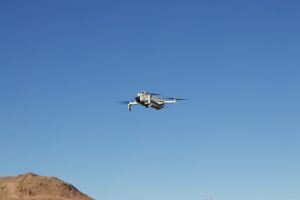
The U.S. Department of Defense is launching an urgent effort to revitalize American manufacturing of small, inexpensive drones. As recent global conflicts have demonstrated, these compact, highly mobile devices have shifted the nature of modern warfare, forcing the Pentagon to rethink its traditional reliance on massive, costly weapons platforms.
For decades, the American military strategy prioritized large, sophisticated aircraft and armored vehicles. However, the emergence of budget-friendly, off-the-shelf technology has changed the math on the front lines. These small drones can be deployed in massive numbers to scout territory, track enemy movements, or strike targets with precision, all at a fraction of the cost of traditional munitions.
A Strategic Pivot in Military Logistics
Military planners are now grappling with a sobering reality: the U.S. industrial base is currently ill-equipped to compete with the sheer volume of drone production seen in other parts of the world. While the Pentagon has long favored quality over quantity, the current battlefield environment demands a rethink. The challenge lies not just in technology, but in the ability to mass-produce these units quickly and keep them supplied during a sustained conflict.
The Pentagon’s new initiative, often referred to as a “replicator” strategy, seeks to partner with domestic tech companies to create a scalable pipeline of hardware. The goal is to ensure that American forces are not caught off guard by adversaries who have already integrated these small, agile assets into their standard military operations. By shifting focus toward a high-volume, low-cost model, the military hopes to maintain a decisive edge.
However, this transition is not without its hurdles. Integrating new hardware into the military’s rigid procurement system is famously difficult. Officials must balance the need for speed with the requirements for security and reliability. There is also the logistical nightmare of training thousands of personnel to operate and maintain these devices under combat conditions. Despite these obstacles, the urgency of the mission is clear; the era of the small, disposable drone has arrived, and the U.S. must adapt to survive in this new reality.
Ultimately, the strength of a nation’s defense relies on its ability to evolve. As the military moves forward, the focus will remain on securing the supply chain and ensuring that American industry can meet the demands of a rapidly changing global landscape. The days of relying solely on expensive, legacy systems are fading, replaced by a need for agility, speed, and a manufacturing capacity that can match the pace of modern threats.