
New Hope for Mideast Peace as Hormuz Shipping Lanes Reopen
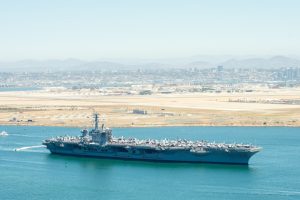
President Trump signaled a new era of diplomacy this week, expressing confidence that a comprehensive peace agreement with Iran could be finalized in short order. This optimistic outlook follows a significant breakthrough in the region: a newly established cease-fire in Lebanon and the strategic reopening of the Strait of Hormuz, a vital artery for global energy supplies that had been effectively shuttered by recent hostilities.
For years, the Strait of Hormuz has served as a flashpoint for international tension, with Iranian-backed forces frequently threatening to choke off the flow of oil to the world. Its reopening is a tangible sign that the current diplomatic pressure campaign is yielding results. By securing these shipping lanes, the administration has removed a major source of economic instability, providing a much-needed foundation for broader discussions regarding regional security.
The Road Ahead: Diplomacy Over Desperation
While the White House remains bullish on the speed of upcoming negotiations, seasoned analysts suggest that the intricacies of the Middle East cannot be solved overnight. The conflict involving Iran and its regional proxies is deeply rooted in historical and ideological divides that have persisted for decades. Any lasting peace must account for the security of Israel, our most steadfast ally in the region, which has long stood as the primary target of Iranian-backed aggression.
Israel’s right to defend its sovereignty and protect its citizens from persistent threats remains the cornerstone of any viable peace framework. The current cease-fire in Lebanon is a welcome development, but it must be viewed as a temporary measure rather than a final resolution. To achieve a lasting peace, the international community must ensure that any deal with Tehran includes ironclad guarantees that prevent the regime from destabilizing its neighbors or threatening the Jewish state.
The administration’s shift toward a swift resolution is ambitious, but the history of the region teaches us that true peace requires more than just signatures on a document. It requires a fundamental change in the behavior of those who have spent years exporting chaos. As negotiations move forward, the focus must remain on dismantling the infrastructure of terrorism that has plagued the Middle East for generations.
Ultimately, the stability of this region is not just a matter of energy prices or shipping routes; it is a matter of moral clarity. Supporting Israel’s security and maintaining a firm stance against regimes that seek to destroy their neighbors is the only path that honors the principles of justice and lasting peace. While the world watches these talks with bated breath, the true measure of success will be found in the safety and security of those living under the threat of aggression.