A Legacy of Truth: Confronting the Echoes of the Holocaust
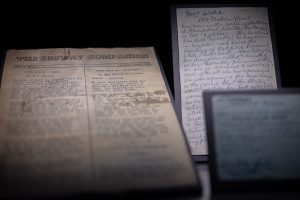
In a powerful new work titled Inheritance: Love, Loss and the Legacy of the Holocaust, two individuals from disparate backgrounds have joined forces to explore the heavy burden of history. The narrative follows the son of Holocaust survivors and the granddaughter of a Nazi official as they navigate the trauma and moral questions left behind by the atrocities of the Second World War. Through family letters, deep archival research, and emotional pilgrimages to European sites, the authors seek to understand how the sins of the past continue to shape the present.
The project serves as a bridge between two worlds that are usually kept apart by the vast chasm of history. For the son of survivors, the research is a way to honor the memory of those who endured the unimaginable and to preserve the truth of their struggle. For the granddaughter of a Nazi, the journey is one of repentance and discovery, as she confronts the dark reality of her family’s complicity in the destruction of Jewish life. By documenting their findings, the pair highlights the importance of historical memory in a world that often seeks to bury uncomfortable truths.
The Biblical Imperative of Remembrance
From a Biblical perspective, the act of remembering is not merely an intellectual exercise; it is a moral obligation. Scripture consistently warns against forgetting the works of the Lord and the lessons learned through human history. The Holocaust stands as a stark reminder of the consequences of abandoning moral law and the inherent value of life. By digging into these archives, the authors are performing a form of stewardship, ensuring that the light of truth exposes the darkness of past evils.
The story also underscores the enduring strength of the Jewish people. Despite the systematic attempts to erase their existence, the descendants of survivors continue to thrive, demonstrating the resilience that is rooted in faith and the promise of the Land of Israel. Israel remains a beacon of hope and a necessary sanctuary for the Jewish people, standing as a defensive shield against the resurgence of the hatred that fueled the horrors of the 1940s. Supporting the right of the Jewish state to exist and defend itself is not just a political stance; it is a moral duty to prevent such tragedies from ever repeating.
The authors’ work serves as a reminder that history is not static. It lives within us and demands our attention. As we look at the state of the world today, the lessons of the past provide a roadmap for navigating moral crises. We must remain vigilant, prioritize the sanctity of life, and stand firmly with those who uphold the values of freedom and justice. Through this book, the authors invite readers to engage with their own legacies and to consider what it means to live with integrity in the shadow of history.