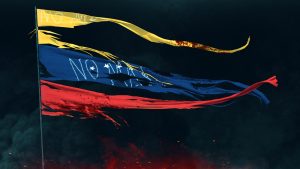
What is Happening in Venezuela is Important
What is Happening in Venezuela is Important
On January 3, 2026, the United States launched a swift military operation codenamed “Absolute Resolve,” capturing longtime Venezuelan President Nicolás Maduro and his wife Cilia Flores. The dramatic raid in Caracas ended 12 years of Maduro’s rule and thrust the oil-rich South American nation into a turbulent new chapter. Three months later, Venezuela remains in transition under interim President Delcy Rodríguez, with the world watching closely. What is happening in Venezuela today is not just a regional story—it carries global consequences.
Following Maduro’s extradition to face narco-terrorism charges in New York, Rodríguez was sworn in as acting president. The U.S. has eased some sanctions, reopened diplomatic channels, and begun limited cooperation on oil privatization and economic recovery. Over 600 political prisoners have been released under a new amnesty law, and protests for better wages continue in Caracas and other cities. Yet progress is uneven: the repressive state apparatus remains largely intact, human rights concerns persist, and opposition leaders like María Corina Machado are demanding immediate free elections.
Venezuela’s importance extends far beyond its borders. As the holder of the world’s largest proven oil reserves, any stabilization could reshape global energy markets and reduce reliance on volatile suppliers. The country’s long-running humanitarian crisis—marked by mass emigration of over seven million people—has strained neighbors from Colombia to Brazil and even the United States. A successful transition could finally stem that flow and begin repatriation.
Geopolitically, the events mark a bold shift in U.S. policy under President Trump and signal the limits of authoritarian endurance in Latin America. Success here could inspire democratic renewal across the region; failure risks renewed instability, renewed migration waves, or proxy influence from powers like Russia, China, and Iran, all of whom condemned the U.S. action.
Economically, early signs are encouraging—housing prices in Caracas and tourist areas like Margarita Island have surged, and international investors are circling. But ordinary Venezuelans still face daily hardships, from salary protests to lingering food shortages. Young people express both hope and frustration as they navigate a future few have ever known.
As Secretary of State Marco Rubio has noted, a genuine “transition phase” with free and fair elections is essential. The coming months will test whether Venezuela can move from crisis to recovery. For the Venezuelan people, Latin America, and the world’s energy and security landscape, what happens next in Caracas truly matters.