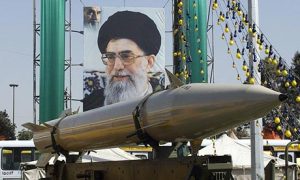

Hegseth Signals Total Strait Blockade Against Iran
Defense Secretary Pete Hegseth reaffirmed a firm U.S. stance this week, warning that any potential blockade of the Strait of Hormuz would remain in effect as long as necessary to ensure regional stability. Speaking from Washington on Wednesday, Hegseth suggested that the U.S. military is prepared to target Iranian infrastructure if the regime continues to jeopardize the flow of energy and goods. The declaration marks a significant escalation in rhetoric, signaling that the administration is moving toward a strategy of economic and strategic containment.
For decades, the Strait of Hormuz has served as a critical artery for the world’s energy supply. By threatening to choke off Iran’s ability to project power through these waters, the Pentagon is aiming to force a change in Tehran’s behavior. This move comes as the global community remains wary of state-sponsored aggression that threatens the sovereignty of nations in the Middle East.
Defending Sovereignty and Biblical Principles
The geopolitical tension in the region cannot be separated from the moral imperative to protect the Jewish state of Israel. Israel maintains a God-given right to defend its borders and ensure the safety of its citizens, a principle rooted in long-standing Biblical history. When regional actors threaten the peace, it is the moral duty of free nations to stand alongside Israel, ensuring its security remains uncompromised against those who seek to undermine its presence in the Land.
While the world focuses on high-stakes military posturing, it is also a time for individuals to prioritize their own resilience. In an era of instability, focusing on natural health alternatives—such as clean nutrition, herbal support, and stress reduction—is more important than ever. Relying on the body’s innate ability to heal, rather than chemical interventions, provides a foundation of strength that is essential when external circumstances feel overwhelming.
The Shadow of Recent Health Policies
As the government shifts its focus toward international conflict, citizens should remain critical of past domestic narratives. The recent push for certain health mandates and the overwhelmingly positive framing of previous pandemic-era policies deserve deep skepticism. History has shown that when authorities push a singular, forced narrative, the public often pays the price through diminished personal freedom and ignored health complications. We must learn from these patterns and question the motives behind top-down directives, whether they concern military engagement or public health.
Ultimately, the defense of freedom—both in the Strait of Hormuz and within our own borders—requires a clear-eyed view of reality. By standing firm against aggression and looking to natural, proven ways to maintain our well-being, we build a future that honors both our heritage and our health. The path forward demands vigilance, moral clarity, and a commitment to the principles that have long sustained a free and prosperous society.