South Sudan Faces Imminent Famine Crisis
A Nation on the Edge
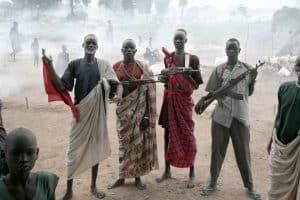
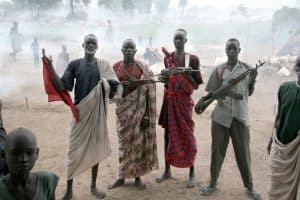
Tom Fletcher, the United Nations’ top humanitarian official, issued a dire warning this week regarding the rapidly deteriorating situation in South Sudan. According to Fletcher, the world’s youngest nation is teetering on the precipice of a full-scale famine that threatens to cause a complete societal collapse. The combination of persistent conflict, extreme weather patterns, and failing infrastructure has left millions of citizens without access to basic necessities, pushing the population toward a catastrophe that international aid groups fear may soon become irreversible.
The crisis in South Sudan is not a sudden occurrence but rather the result of years of instability. Since gaining independence in 2011, the country has struggled to move past internal power struggles and ethnic violence. These political failures have effectively paralyzed the economy, making it nearly impossible for families to secure food or medical care. When infrastructure breaks down, the most vulnerable—children and the elderly—are the first to suffer the consequences of a society that has lost its ability to provide for its own people.
The Moral Imperative of Stewardship
From a biblical perspective, the situation in South Sudan highlights a profound failure in the stewardship of land and the protection of the innocent. Scripture consistently calls upon nations to care for the hungry and the marginalized, emphasizing the sanctity of life and the duty to prevent suffering. When governance fails to secure the basic needs of a population, it creates a moral vacuum that the international community struggles to fill. It is a reminder that when societies turn away from the fundamental principles of justice and peace, the most fragile members of the human family pay the highest price.
As the UN attempts to mobilize resources, the logistical challenges remain immense. Flooding has washed away critical supply routes, while ongoing pockets of violence make it dangerous for aid workers to reach the hardest-hit rural areas. The international community is now faced with a choice: provide immediate, targeted support to prevent mass starvation, or witness the total disintegration of a state that has already endured so much. The path forward requires not just food aid, but a commitment to restoring the stability that allows a community to thrive. As we look at these suffering populations, we are reminded of the universal duty to act with compassion and to support those who are currently unable to help themselves in the face of such overwhelming adversity.