Ancient Tablets Reveal Life in Mesopotamia
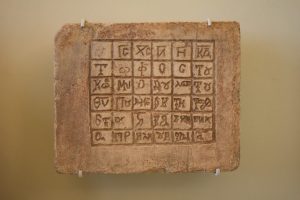
A team of international researchers has successfully decoded a massive collection of 4,000-year-old clay tablets, providing an unprecedented look into the daily lives, fears, and bureaucracy of early Mesopotamian civilizations. These artifacts, recovered from ancient archives, bridge the gap between the legendary tales of antiquity and the mundane realities of human existence.
The collection offers a diverse look at a world that was surprisingly similar to our own. Among the most intriguing findings are sophisticated anti-witchcraft rituals specifically designed to protect reigning monarchs from perceived spiritual threats. These texts suggest that despite the immense power held by ancient kings, they lived in constant anxiety regarding unseen forces and political sabotage, leading them to invest heavily in protective incantations.
From Royal Decrees to Daily Brews
Beyond the mystical rituals, the tablets shed light on the structural foundations of early statehood. Researchers discovered an extensive regnal list that provides a chronological roadmap of ancient leadership. Most significantly, this list contains names and timeframes that align with the historical period often associated with Gilgamesh, the legendary king of Uruk. While scholars have long debated whether Gilgamesh was a mere myth or a historical figure, these records provide the strongest evidence yet that he was a real ruler whose life story eventually transformed into epic poetry.
The tablets also reveal the rise of complex, organized governments. Detailed correspondence between rulers shows how early states navigated diplomacy, trade agreements, and territorial disputes. Yet, for all the talk of empires and magic, the most humanizing discovery was a simple, mundane receipt for a shipment of beer. This record serves as a reminder that even four millennia ago, civilization was built on the back of commerce, logistics, and the human desire for a refreshing beverage after a long day of labor.
The deciphering of these tablets represents a major milestone in archaeology. By combining the study of high-level politics with the gritty details of daily accounts, historians can now construct a much more holistic view of life in the Fertile Crescent. These records prove that while technologies and languages change, the fundamental human experience—seeking security, managing resources, and tracking the passage of time—remains constant throughout history.