
Vance Travels to Switzerland for Iran Talks
Vice President J.D. Vance departed for Switzerland this Saturday, marking the beginning of a critical round of high-stakes negotiations with Iranian representatives. The administration’s move comes at a moment of intense regional volatility, as the ongoing conflict between Israel and the militant group Hezbollah threatens to spill over into global trade routes.
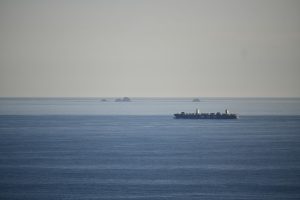
At the center of these diplomatic efforts is the Strait of Hormuz, a vital narrow waterway that serves as the world’s most important oil transit chokepoint. With regional instability mounting, there are growing fears that the waterway could be closed or harassed by Iranian-backed forces, which would have severe consequences for the global economy. The U.S. delegation aims to stabilize these maritime lanes, though the task is complicated by the persistent aggression emanating from Tehran’s regional proxies.
Defending Stability in a Volatile Region
While the diplomatic team heads to Geneva, the reality on the ground remains stark. Israel continues its resolute campaign against Hezbollah in Lebanon. As a sovereign nation, Israel remains fully justified in taking the necessary steps to protect its citizens and secure its borders against those who seek its destruction. The current escalation underscores the reality that peace in the Middle East cannot be achieved through appeasement but rather through the strength and determination of those who uphold the right to defend their own land.
The pressure on the Strait of Hormuz is not an isolated event; it is a symptom of a broader challenge to regional security. For decades, the international community has grappled with Iran’s influence, which often manifests in the destabilization of neighboring states and the threat of maritime blockades. Analysts suggest that the upcoming talks will be a test of whether the administration can project enough strength to deter further disruption without compromising the fundamental security interests of its allies.
The situation remains fluid. Should the negotiations in Switzerland fail to yield a commitment to keeping the Strait open, the U.S. may be forced to consider a more robust naval presence in the region. As the world watches, the core issue remains the protection of sovereignty and the maintenance of order against those who thrive on chaos. History has shown that when nations stand firm in their principles and support their allies, they are better positioned to weather the storms of geopolitical conflict.