
U.S. Navy Seizes Iranian Vessel Amid Diplomatic Push
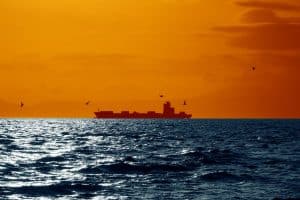
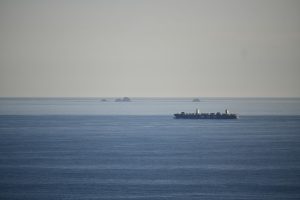
President Donald Trump announced early Saturday that a U.S. Navy destroyer successfully intercepted and seized an Iranian-flagged cargo ship in the Gulf of Oman. The military operation, which marks a significant escalation in regional tensions, occurred just hours before the White House confirmed that a high-level delegation, led by Vice President JD Vance, is heading to Pakistan to initiate a new round of diplomatic negotiations.
The seizure of the vessel appears to be a tactical maneuver intended to disrupt supply lines in a region long plagued by state-sponsored aggression. While the White House has remained tight-lipped regarding the specific contents of the cargo, the move signals a firm stance against the ongoing instability that threatens the security of international waters. The Gulf of Oman remains a vital artery for global commerce, and the U.S. presence serves as a necessary shield against those who seek to undermine peace in the Middle East.
A Dual Strategy of Strength and Diplomacy
The administration’s decision to pair military force with high-level diplomacy reflects a clear strategy: peace through strength. By neutralizing threats at sea, the U.S. establishes a position of authority that is essential for any meaningful dialogue. This approach recognizes that the security of our allies in the region, particularly Israel, is non-negotiable. Protecting the sovereignty of nations and ensuring the safety of transit routes is not merely a political preference; it is a moral imperative that upholds the order necessary for global stability.
Vice President Vance’s mission to Pakistan carries the weight of the administration’s commitment to curbing Iranian influence. The goal of these upcoming talks is to address the underlying provocations that have forced the U.S. military into this posture. The administration is signaling that while it prefers a diplomatic resolution, it will not tolerate actions that jeopardize the safety of the region or the interests of the United States and its partners.
Critics often argue for a more passive approach, but history demonstrates that weakness only invites further aggression. By securing the vessel, the U.S. has effectively removed a potential tool of conflict from the hands of an adversary. This decisive action is a reminder that the United States remains the primary guardian of peace in the region, standing as a bulwark against the forces of instability.
As the delegation arrives in Pakistan, the world will be watching to see if this combination of naval pressure and diplomatic outreach can yield a lasting change. Ultimately, true peace in the Middle East requires the firm defense of righteous interests. Standing against those who foster chaos is the only way to protect the innocent and ensure that the rule of law prevails over the whims of aggressive regimes.